Mujercitas - Little women
En inglés.
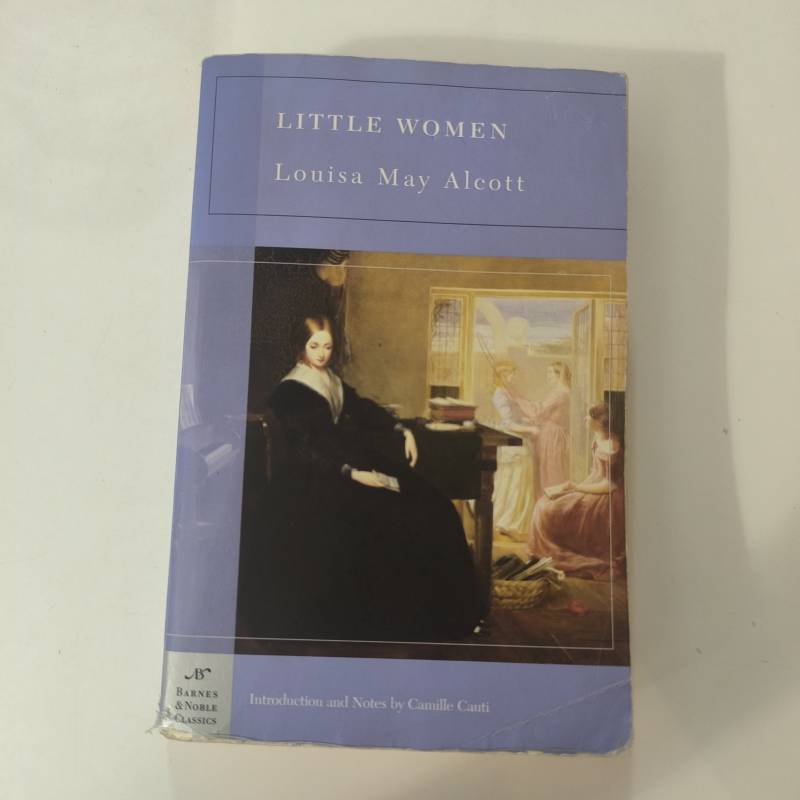
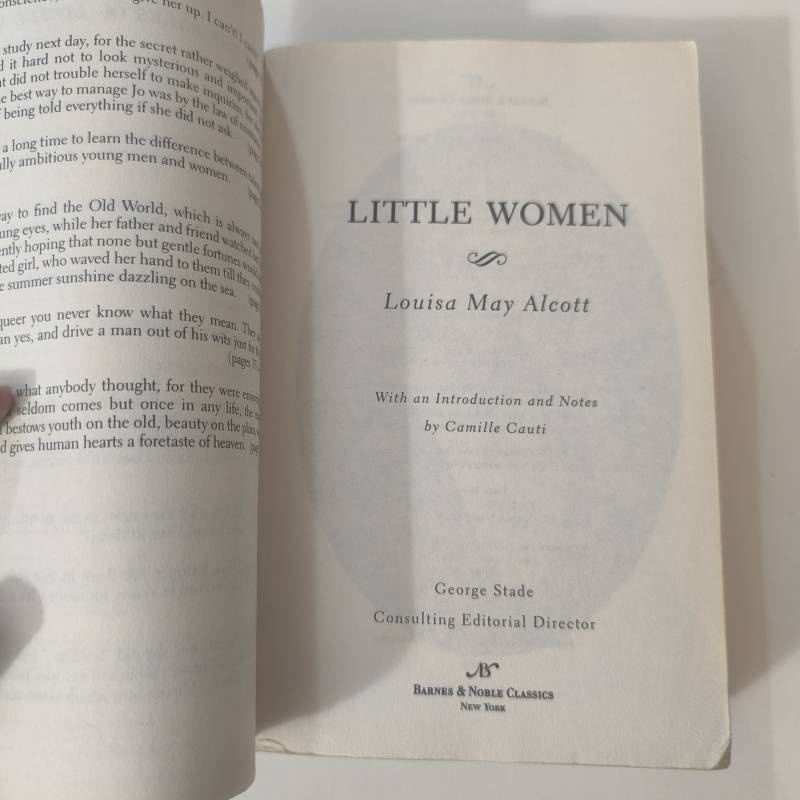
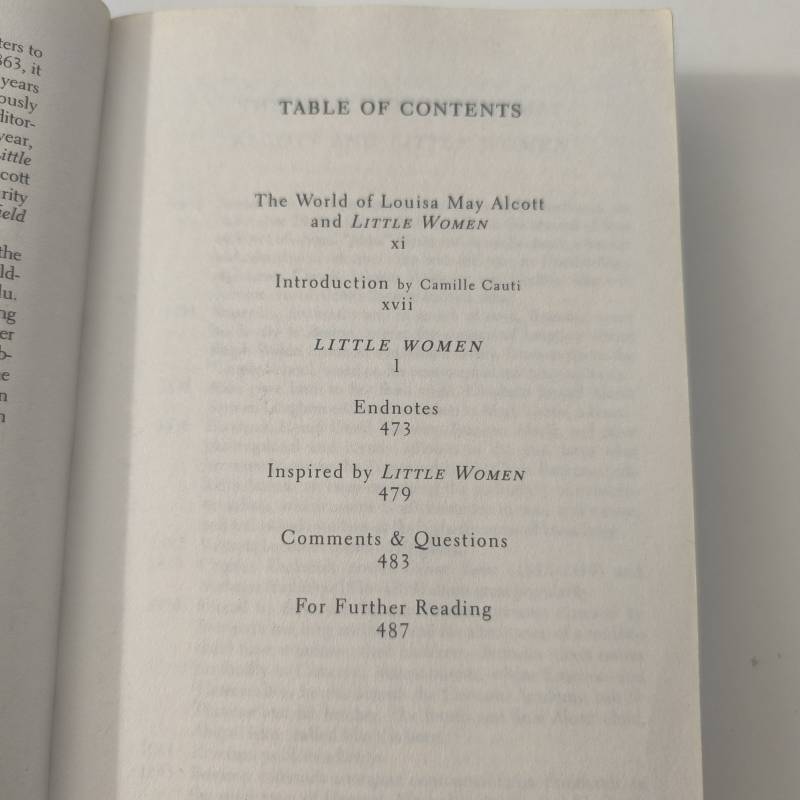
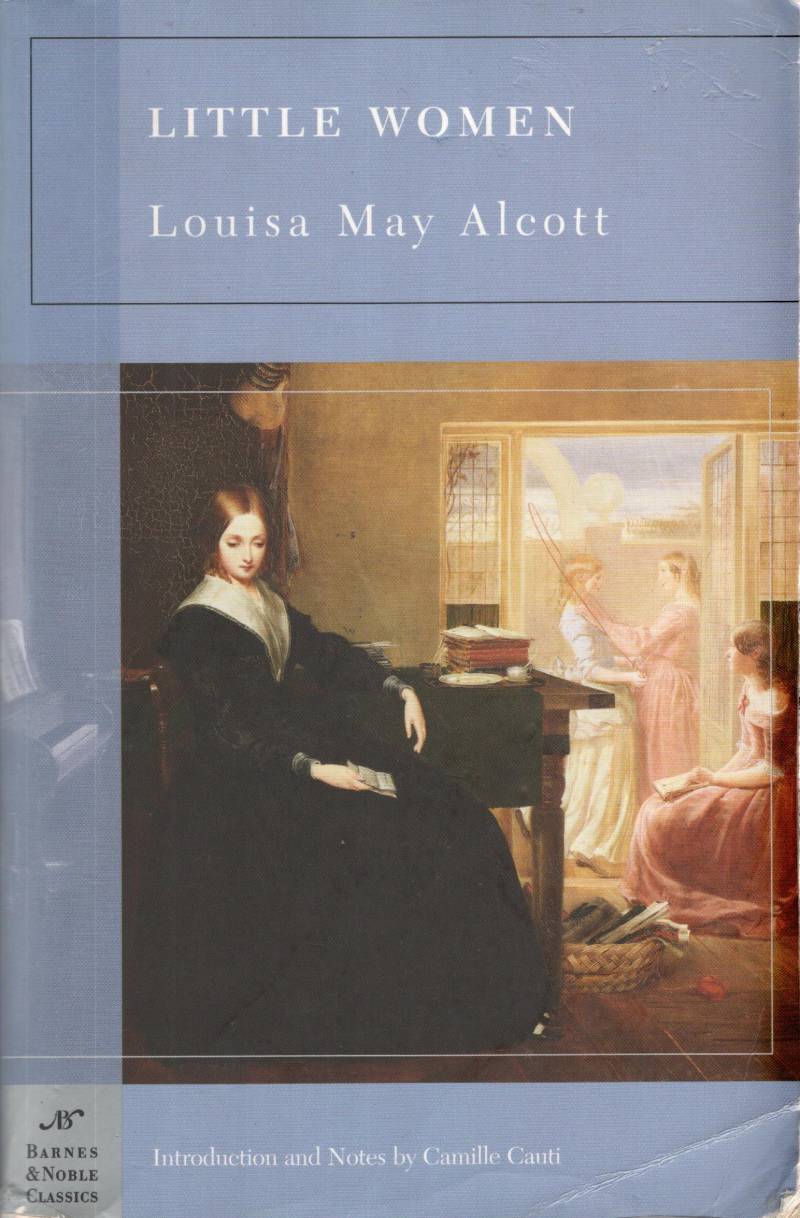
LITTLE WOMEN
Louisa May Alcott
Introduction and Notes by Camille Cauti
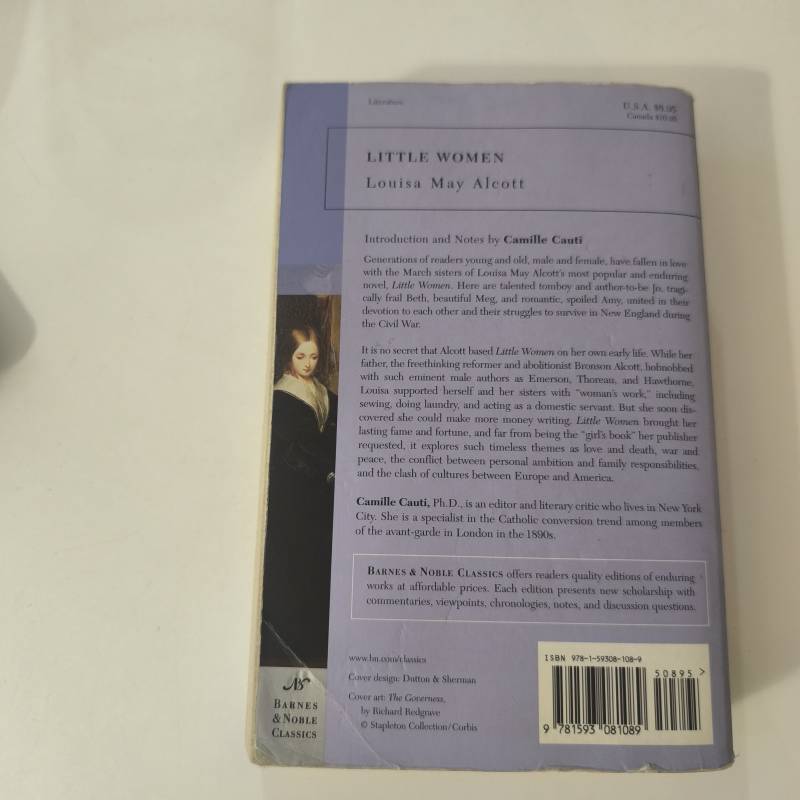
Generations of readers young and old, male and female, have fallen in love with the March sisters of Louisa May Alcott’s most popular and enduring novel, Little Women. Here are talented tomboy and author-to-be Jo, tragically frail Beth, beautiful Meg, and romantic, spoiled Amy, united in their devotion to each other and their struggles to survive in New England during the Civil War.
It is no secret that Alcott based Little Women on her own early life. While her father, the freethinking reformer and abolitionist Bronson Alcott, hobnobbed with such eminent male authors as Emerson, Thoreau, and Hawthorne, Louisa supported herself and her sisters with “woman’s work,” including sewing, doing laundry, and acting as a domestic servant. But she soon discovered she could make more money writing. Little Women brought her lasting fame and fortune, and far from being the “girl’s book” her publisher requested, it explores such timeless themes as love and death, war and peace, the conflict between personal ambition and family responsibilities, and the clash of cultures between Europe and America.
Camille Cauti, Ph.D., is an editor and literary critic who lives in New York City. She is a specialist in the Catholic conversion trend among members of the avant-garde in London in the 1890s.
MUJERCITAS
Louisa May Alcott
Introducción y notas de Camille Cauti
Generaciones de lectores, jóvenes y mayores, hombres y mujeres, se han enamorado de las hermanas March del más popular y perdurable de los libros de Louisa May Alcott, Mujercitas. Aquí aparecen Jo, la talentosa marimacho y futura escritora; Beth, trágicamente frágil; Meg, la hermosa; y Amy, romántica y consentida, unidas por su devoción mutua y por sus esfuerzos por sobrevivir en Nueva Inglaterra durante la Guerra Civil.
No es ningún secreto que Alcott basó Mujercitas en su propia vida temprana. Mientras su padre, el reformador de pensamiento libre y abolicionista Bronson Alcott, se relacionaba con autores tan eminentes como Emerson, Thoreau y Hawthorne, Louisa se mantenía a sí misma y a sus hermanas con “trabajos de mujer”, como coser, lavar ropa y trabajar como sirvienta doméstica. Pero pronto descubrió que podía ganar más dinero escribiendo. Mujercitas le dio fama y fortuna duraderas y, lejos de ser el “libro para chicas” que su editor había solicitado, explora temas intemporales como el amor y la muerte, la guerra y la paz, el conflicto entre la ambición personal y las responsabilidades familiares, y el choque de culturas entre Europa y América.
Camille Cauti, Ph.D., es editora y crítica literaria y vive en la ciudad de Nueva York. Es especialista en la tendencia a la conversión católica entre los miembros de la vanguardia en Londres durante la década de 1890.